
How to Create a Relaxing Home Workspace for Better Productivity
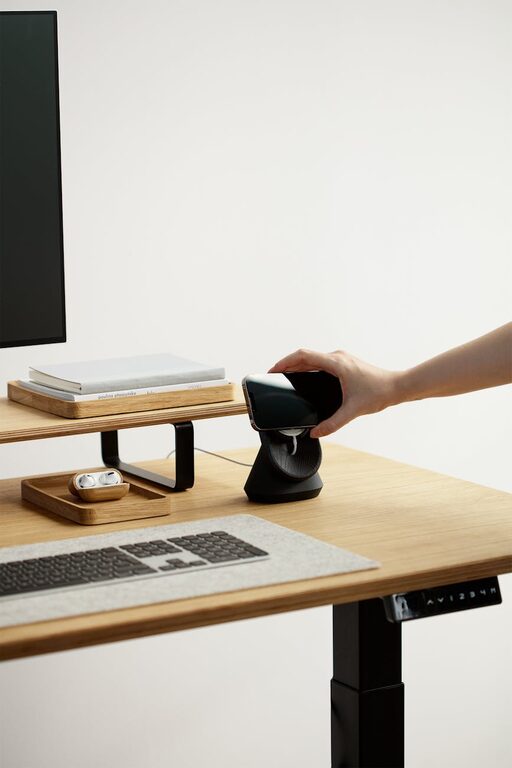
Creating a relaxing home workspace is essential if you want to enhance your focus, reduce stress, and enjoy your work-from-home routine. A comfortable and calming environment can make a significant difference in how productive and motivated you feel throughout the day. Whether you have a dedicated room or just a small corner, making a few thoughtful changes can transform your area into a peaceful retreat.
In this post, we’ll guide you through practical steps to create a relaxing home workspace that supports your wellbeing and work efficiency.
Why a Relaxing Workspace Matters
Spending hours working in a cluttered, noisy, or uncomfortable environment can lead to distractions, fatigue, and burnout. On the other hand, a well-designed workspace promotes mental clarity, encourages better posture, and helps separate work from home life—a crucial balance when working remotely.
The key to a relaxing workspace is combining elements of comfort and functionality.
Step 1: Choose the Right Location
Find a Quiet Spot
Select a place in your home that experiences minimal foot traffic and noise. This helps reduce interruptions and creates a peaceful atmosphere.
Consider Natural Light
Natural light not only brightens your space but also improves your mood and alertness. Place your desk near a window if possible. If natural light is limited, invest in soft, warm artificial lighting.
Dedicate a Specific Area
Even if space is tight, try to carve out a dedicated area exclusively for work. This helps your brain associate that spot with productivity and keeps distractions at bay.
Step 2: Invest in Ergonomic Furniture
Choose a Comfortable Chair
An ergonomic chair that supports your back and promotes good posture can prevent discomfort during long work hours.
Select an Appropriate Desk
Your desk should be at a height that allows your forearms to rest comfortably when typing. Adjustable desks that let you switch between sitting and standing positions are a great option.
Organize for Accessibility
Keep essential items like your laptop, notebooks, and pens within easy reach to avoid disrupting your workflow.
Step 3: Declutter and Organize
Keep Surfaces Clear
A clutter-free desk helps reduce mental distractions. Use organizers or trays to manage papers, stationery, and gadgets.
Utilize Storage Solutions
Shelves, drawers, and filing cabinets can keep your workspace tidy and free from unnecessary clutter.
Digital Declutter
Organize your computer files and emails to maintain a stress-free digital workspace.
Step 4: Add Calming Elements
Incorporate Plants
Indoor plants improve air quality and introduce a natural, soothing vibe to your space.
Use Soothing Colors
Calming colors like soft blues, greens, or neutrals can create a peaceful environment. Consider painting a feature wall or using desk accessories in these tones.
Personal Touches
Add a few personal items such as photos or artwork that inspire you but avoid overcrowding your space.
Aromatherapy
Light a subtle scented candle or use an essential oil diffuser with relaxing scents like lavender or eucalyptus.
Step 5: Manage Noise Levels
Use Noise-Canceling Headphones
They can block out distracting sounds, especially if you live in a busy area.
Background Music
Soft instrumental music or white noise can help maintain focus and prevent sudden distractions.
Soundproofing
Adding rugs, curtains, or wall panels can absorb sound and reduce echo in your workspace.
Step 6: Optimize Lighting
Layered Lighting
Combine ambient (general), task (focused), and accent lighting to create a balanced and flexible workspace.
Adjustable Lamps
A desk lamp with adjustable brightness helps reduce eye strain during different times of the day.
Avoid Glare
Position screens and lights to minimize glare and reflections.
Step 7: Create Healthy Habits
Take Regular Breaks
Short breaks every hour can reduce fatigue and boost creativity.
Stretch and Move
Incorporate simple stretches or short walks to keep your body energized.
Hydrate and Snack Mindfully
Keep water nearby and enjoy healthy snacks to maintain stamina during work hours.
Final Thoughts
Designing a relaxing home workspace isn’t about luxury—it’s about creating a space where you feel comfortable, focused, and motivated. By choosing the right location, incorporating ergonomic furniture, reducing clutter, and adding calming elements, you’ll enhance both your productivity and wellbeing.
A little effort today can lead to a more enjoyable and efficient work-from-home experience tomorrow. Start small and customize your space to suit your personal preferences and work style.
Happy decorating!