How to Start a Small Herb Garden Indoors: A Beginner’s Guide
Starting a small herb garden indoors is a rewarding way to bring fresh flavors to your kitchen and greenery to your living space. Whether you have a windowsill, countertop, or a small corner, growing herbs indoors is easier than you might think. This guide will walk you through the basics to get your herb garden thriving.
Why Grow Herbs Indoors?
Growing herbs indoors offers several benefits:
– Access fresh herbs any time for cooking.
– Add natural fragrance and greenery to your home.
– Control growing conditions and reduce pests.
– Cost-effective compared to buying fresh herbs frequently.
Indoor herb gardens are ideal for small spaces or climates where outdoor gardening is challenging.
Choosing the Right Herbs for Indoor Gardens
Not all herbs thrive indoors, so start with easy-care varieties such as:
– Basil
– Parsley
– Chives
– Mint
– Thyme
– Oregano
– Cilantro
These herbs typically adapt well to indoor light levels and container life.
Selecting Containers
The right container helps ensure healthy roots and prevents overwatering.
– Size: Choose pots that are 4-6 inches deep for most herbs.
– Material: Clay or ceramic pots are breathable but dry faster; plastic retains moisture longer.
– Drainage: Ensure containers have drainage holes to avoid root rot.
You can also use herb planter kits or repurpose kitchen containers with added drainage.
Picking Suitable Potting Soil
Use a light, well-draining potting mix formulated for herbs or vegetables. Avoid garden soil, which can be heavy and hold too much moisture indoors.
Consider mixing in perlite or vermiculite to improve drainage if needed.
Providing Adequate Light
Herbs typically need 6-8 hours of bright light daily.
– Position your herb garden on a south or southwest-facing windowsill.
– If natural light is limited, use a grow light designed for plants. LED grow lights are energy-efficient and effective.
– Rotate pots occasionally to ensure even growth.
Watering Your Indoor Herb Garden
– Water herbs when the top inch of soil feels dry.
– Avoid overwatering, which can cause root rot.
– Use room temperature water and water thoroughly until excess drains out.
Herbs like mint prefer consistently moist soil, while thyme and oregano tolerate drier conditions.
Maintaining Your Herb Garden
Fertilizing
Feed your herbs every 4-6 weeks during the growing season with a balanced liquid fertilizer diluted to half strength.
Pruning and Harvesting
Regular harvesting encourages bushier growth and prevents legginess.
– Pinch or snip leaves as needed.
– Avoid removing more than one-third of the plant at a time.
– Trim flowers if you want the plant to focus on leaf growth.
Ventilation
Good air circulation helps prevent mold and disease. Open windows occasionally or use a small fan nearby.
Troubleshooting Common Problems
– Yellow leaves: Could be overwatering or lack of nutrients.
– Leggy growth: Often due to insufficient light.
– Pests: Watch for aphids or spider mites; wipe leaves or use insecticidal soap.
Creative Tips for Indoor Herb Gardens
– Combine different herbs in a single large container for an attractive mixed garden.
– Use vertical planters or hanging pots to save space.
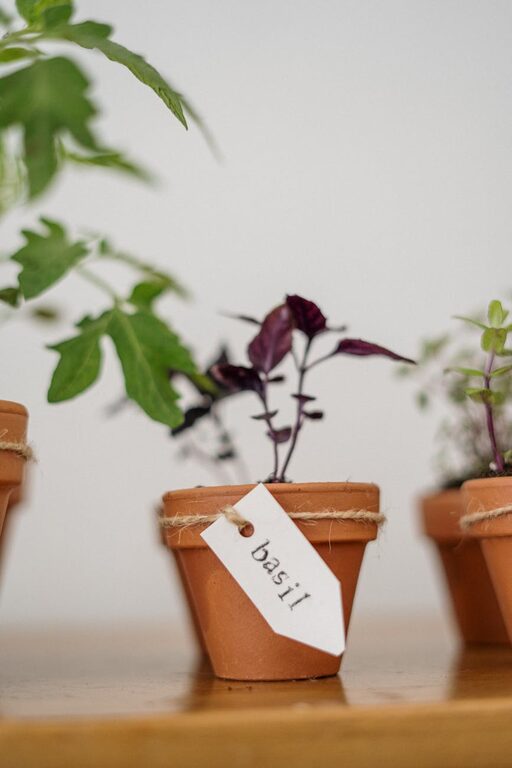
– Label your herbs for easy identification.
– Incorporate herbs into your cooking routine to enjoy the freshest flavors.
Conclusion
Starting a small herb garden indoors is simple and enjoyable with the right tools and care. Fresh herbs at your fingertips will elevate your meals and brighten your home all year long. With a little attention to light, water, and maintenance, your indoor garden will flourish!
Happy gardening!